A designer's travel notebook, kept through 2025 and 2026.
I'm Olivia, an architecture and environmental design graduate based in London. Between 2024 and 2026 I took time out to focus on family and travel, and I couldn't switch off the habit of noticing how places work: where people pause, which paths get worn, and what makes a space feel generous.
This is a small collection of the places that stayed with me and what they taught me, with a few field notes on the ground underfoot along the way.
Canary Islands, Spring 2025
Fuerteventura
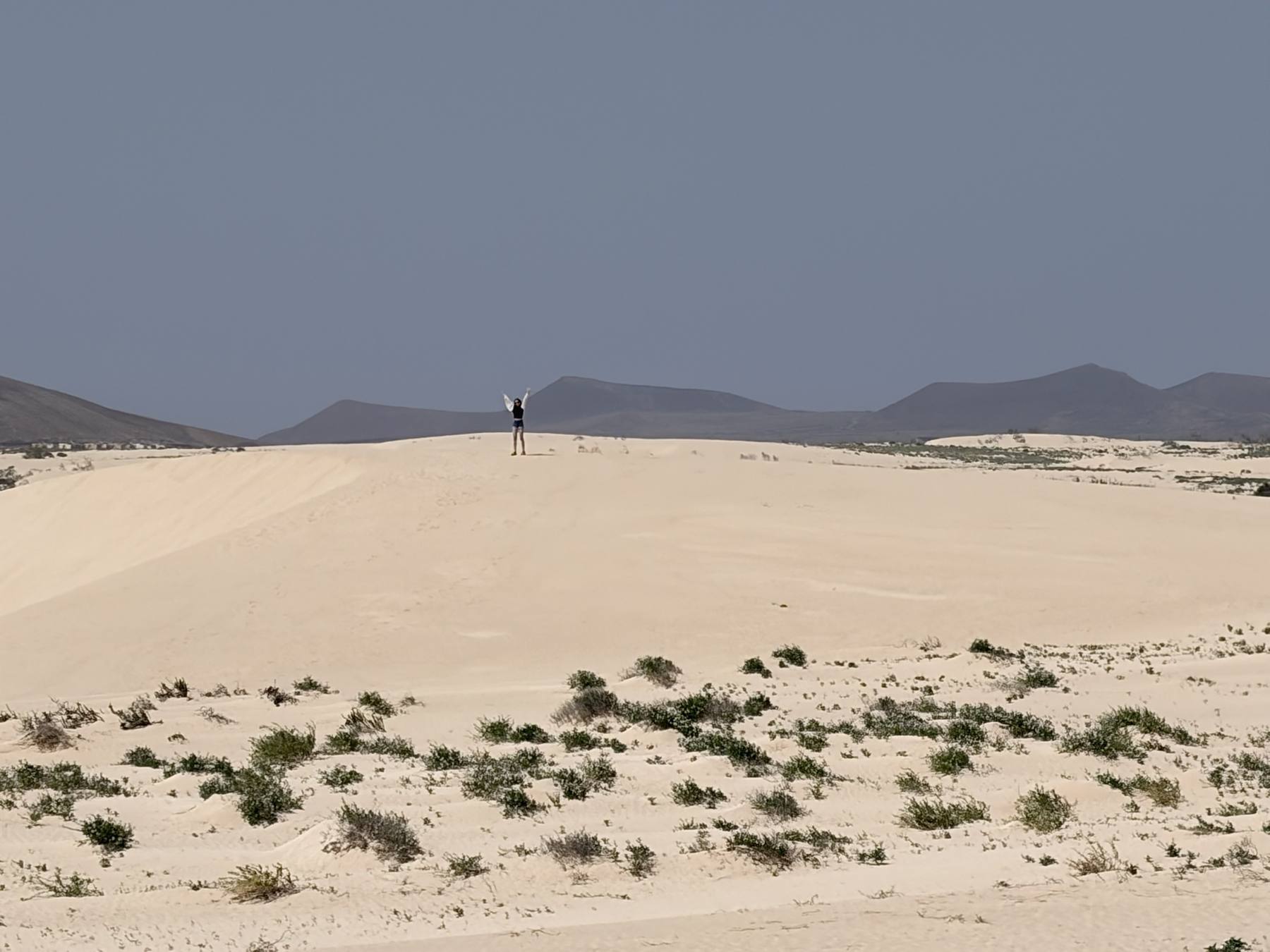
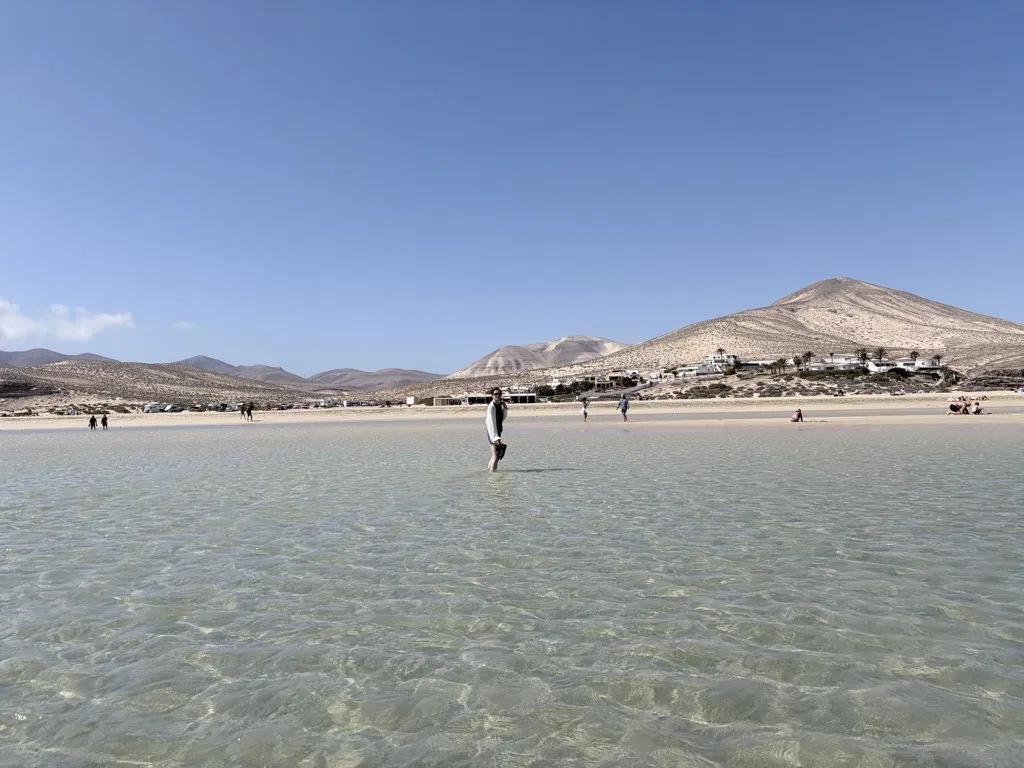
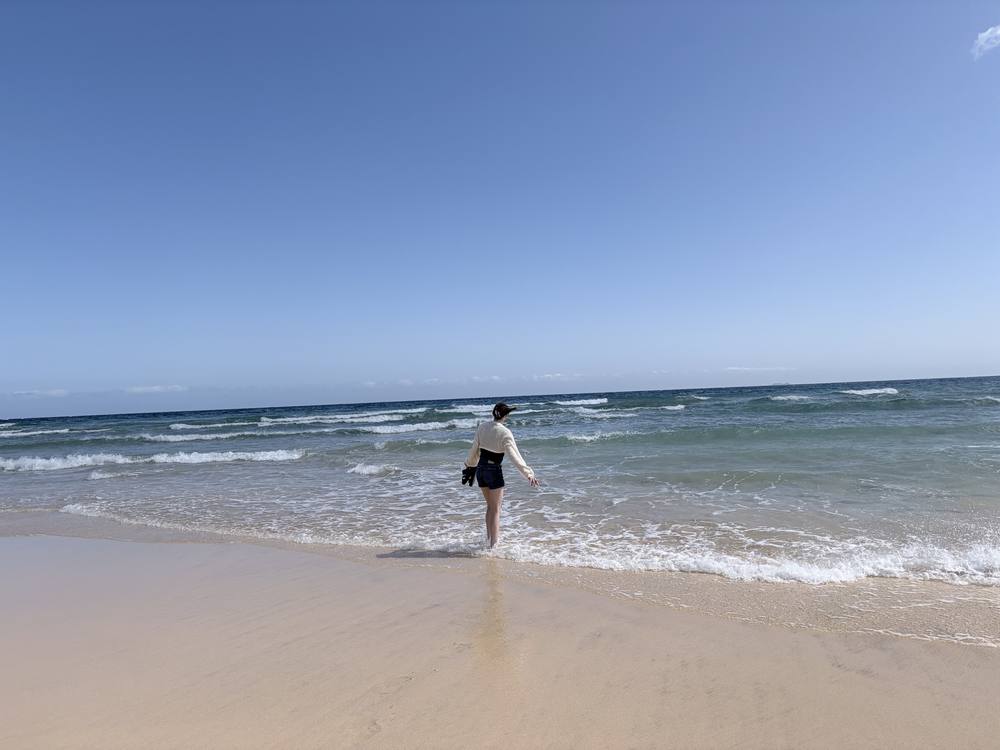
Fuerteventura gave me two landscapes I still think about. The lagoon beach in Corralejo Natural Park is so shallow and clear that you can wade a long way out with the water barely past your knees, and people spread across it in no hurry at all. On the open beaches the Atlantic is wilder, rolling in white and fast.
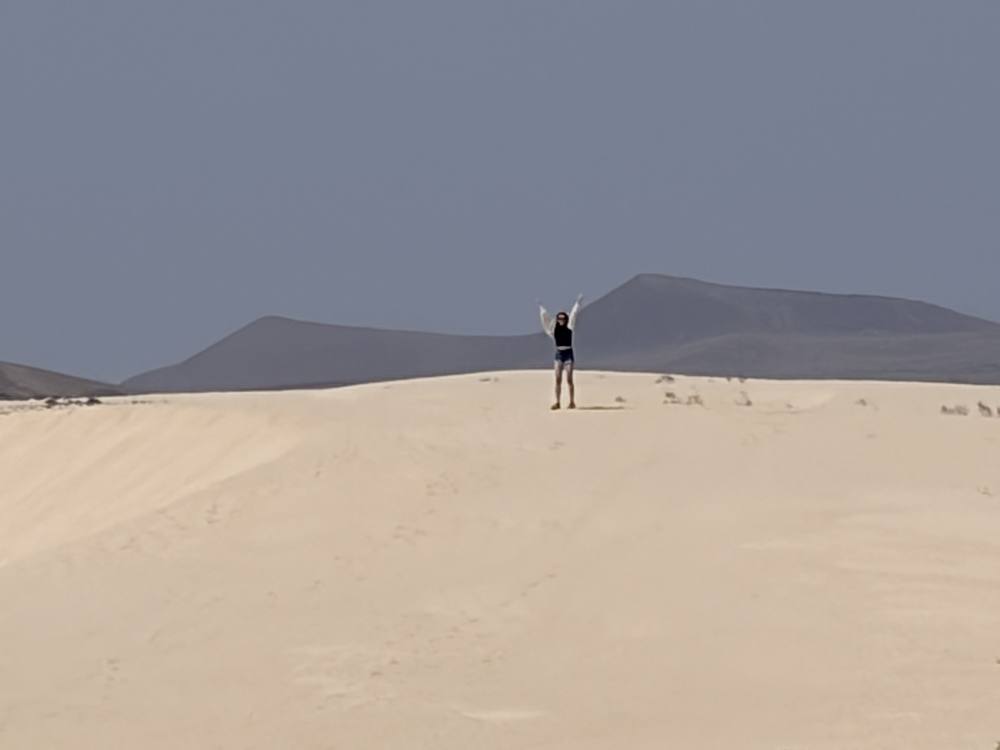
Further south, in Pájara, the dunes are pale, soft and rippled by the wind, with low tufts of scrub holding the sand in place and bare volcanic hills lining the horizon. Climbing them is slow work, and reaching the top feels like a small victory. With hardly a building in view, the land and light do all the work, and it made me think about how little it takes to make a place feel generous.
Field note: Fuerteventura
Reading a volcanic coast
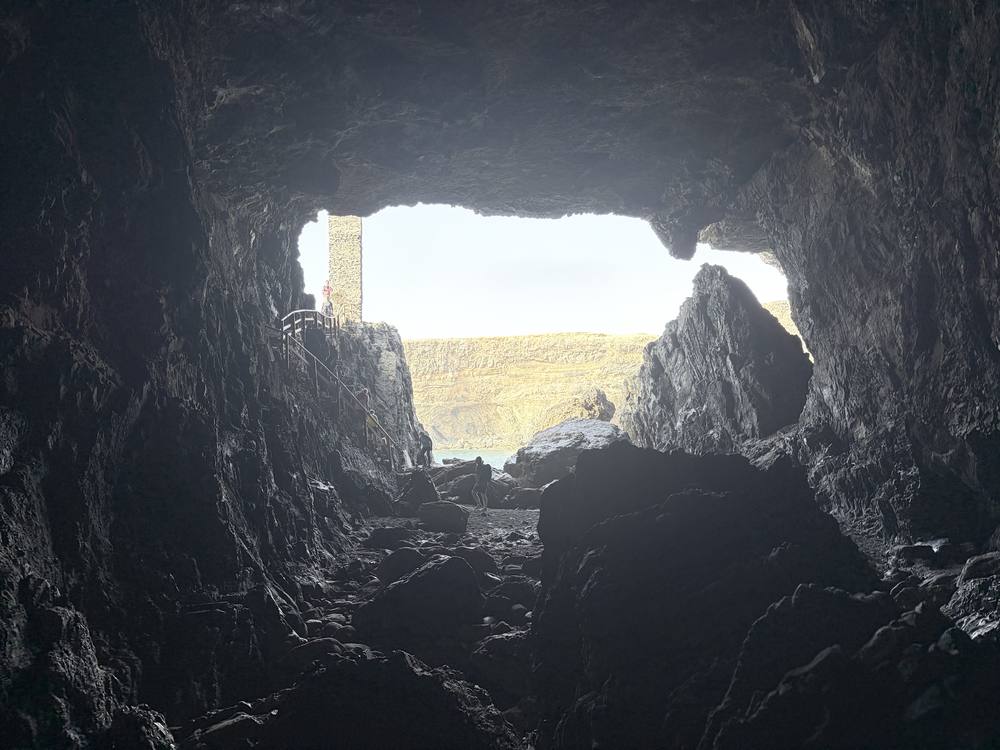
The Ajuy caves, Fuerteventura
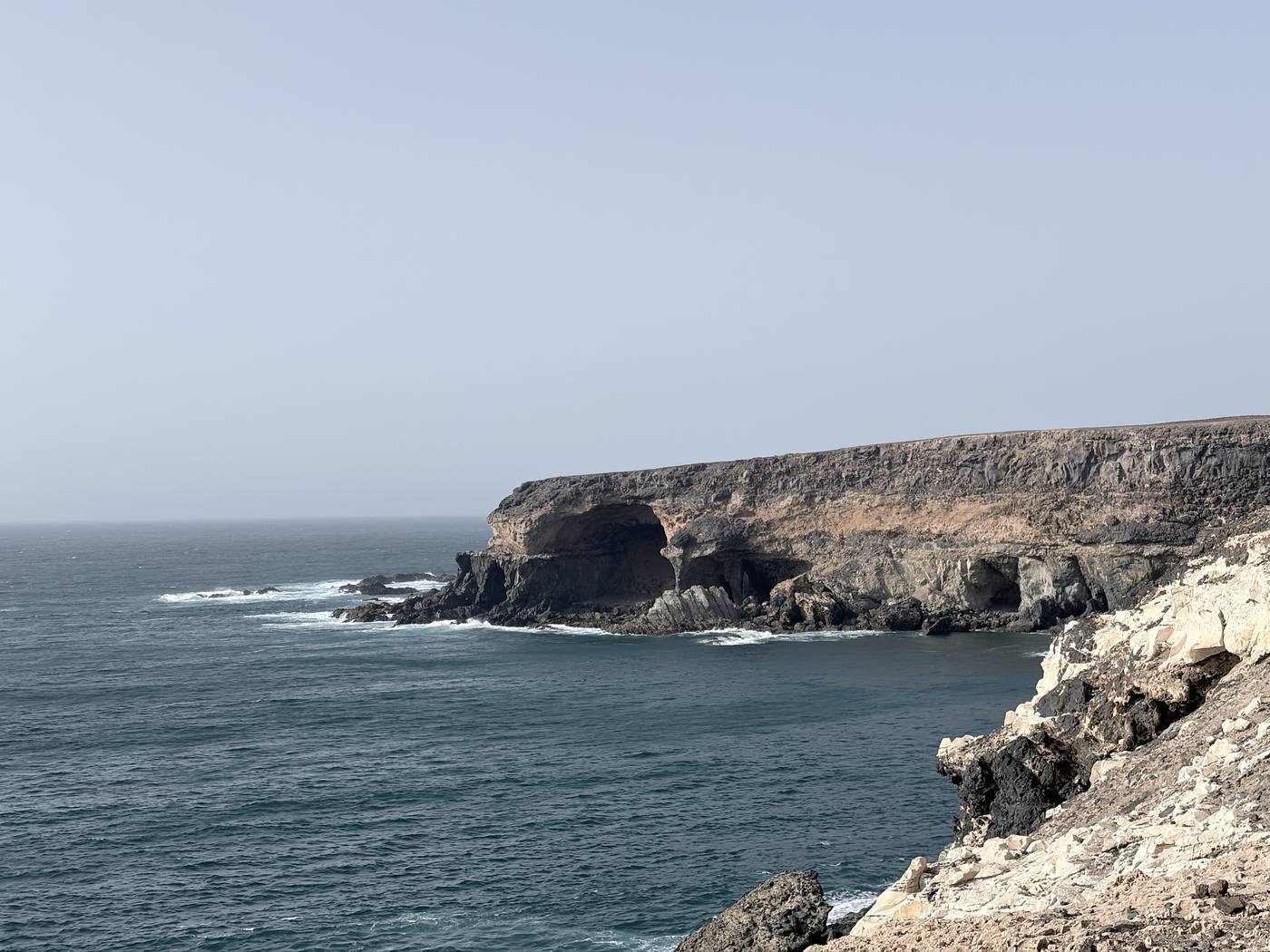
Fuerteventura is the oldest of the Canary Islands, and you can see its age in the coastline. The cliffs show their layers clearly: dark volcanic rock at the base, paler bands of old sand and shell above, and caves where the Atlantic has worked its way into the weaker layers. Standing inside one and looking back out at the light, you can see the layers from underneath.
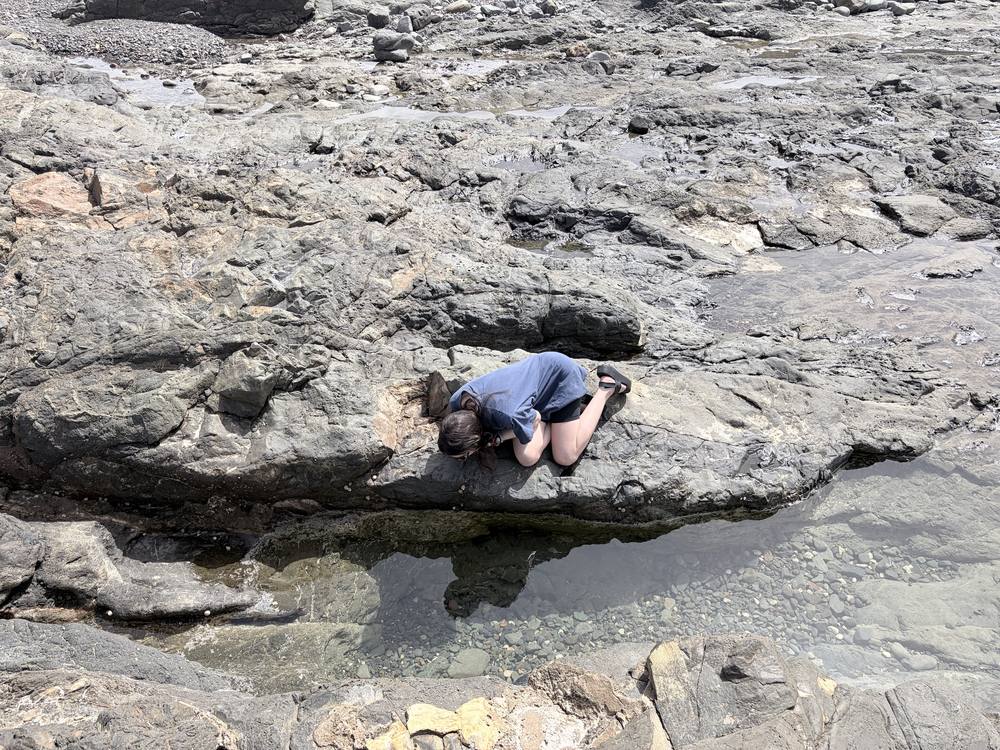
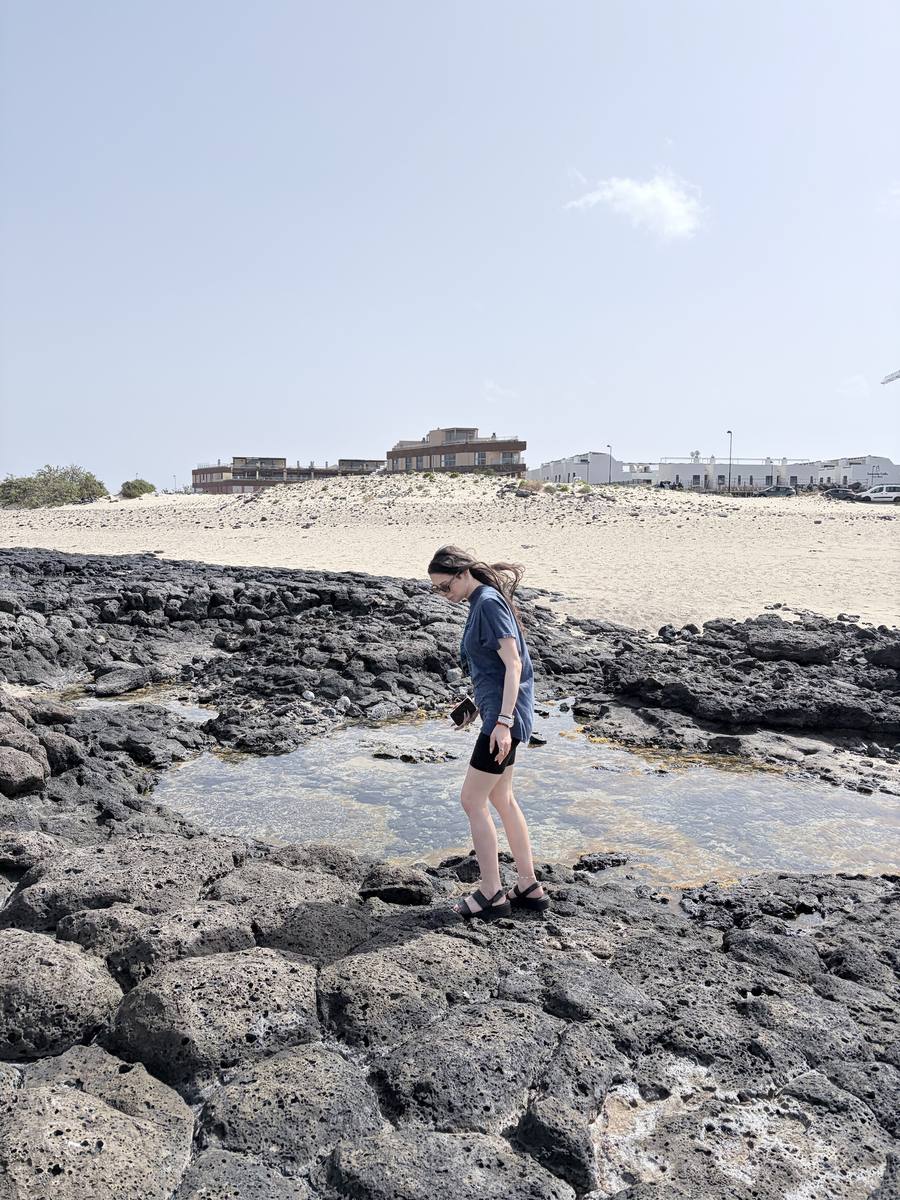
Down at the shoreline the rock changes again. The black rock along the shore is pitted with tiny holes, a texture typical of volcanic rock, formed by gas bubbles as it cooled long ago, and the tide fills every hollow, turning the ground into a scatter of clear rock pools. I spent far too long crouched over them. It's the most honest kind of landscape: nothing hides what it's made of.
- Look for
- Layered cliffs, sea caves and rock pools
- Made of
- Volcanic rock, with bands of old sand and shell
- Shaped by
- Atlantic waves and wind
France, Summer 2025
Calais
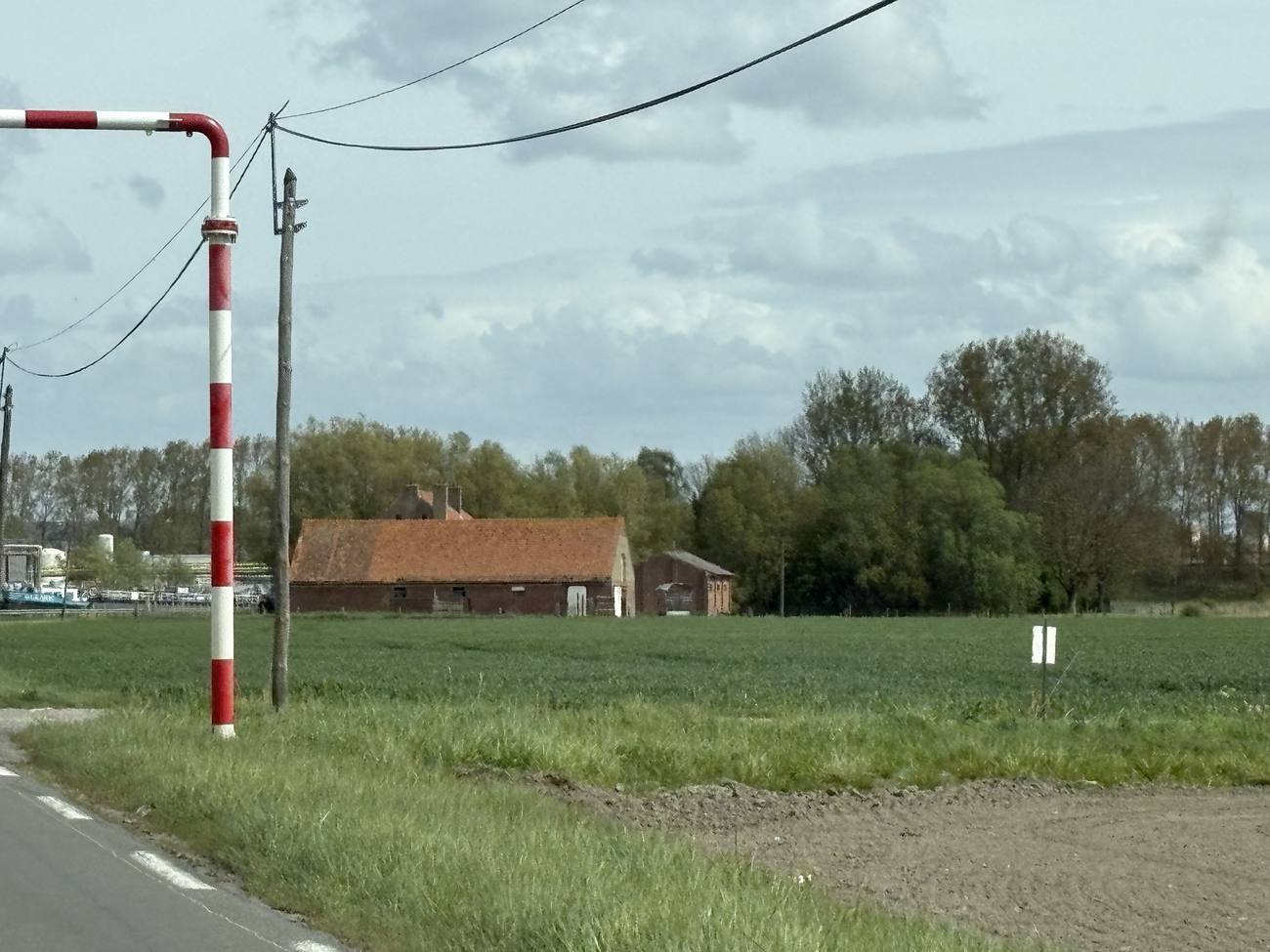
Just across the Channel, the land flattens out completely. Wide green fields run to a line of poplars, red-brick farm buildings sit low under orange pantile roofs, and a red-and-white height barrier marks the turn onto a narrow country road. It's a working landscape, and everything in it feels practical and unshowy. One barn in particular started a debate: why was its roof so much bigger than the walls holding it up?
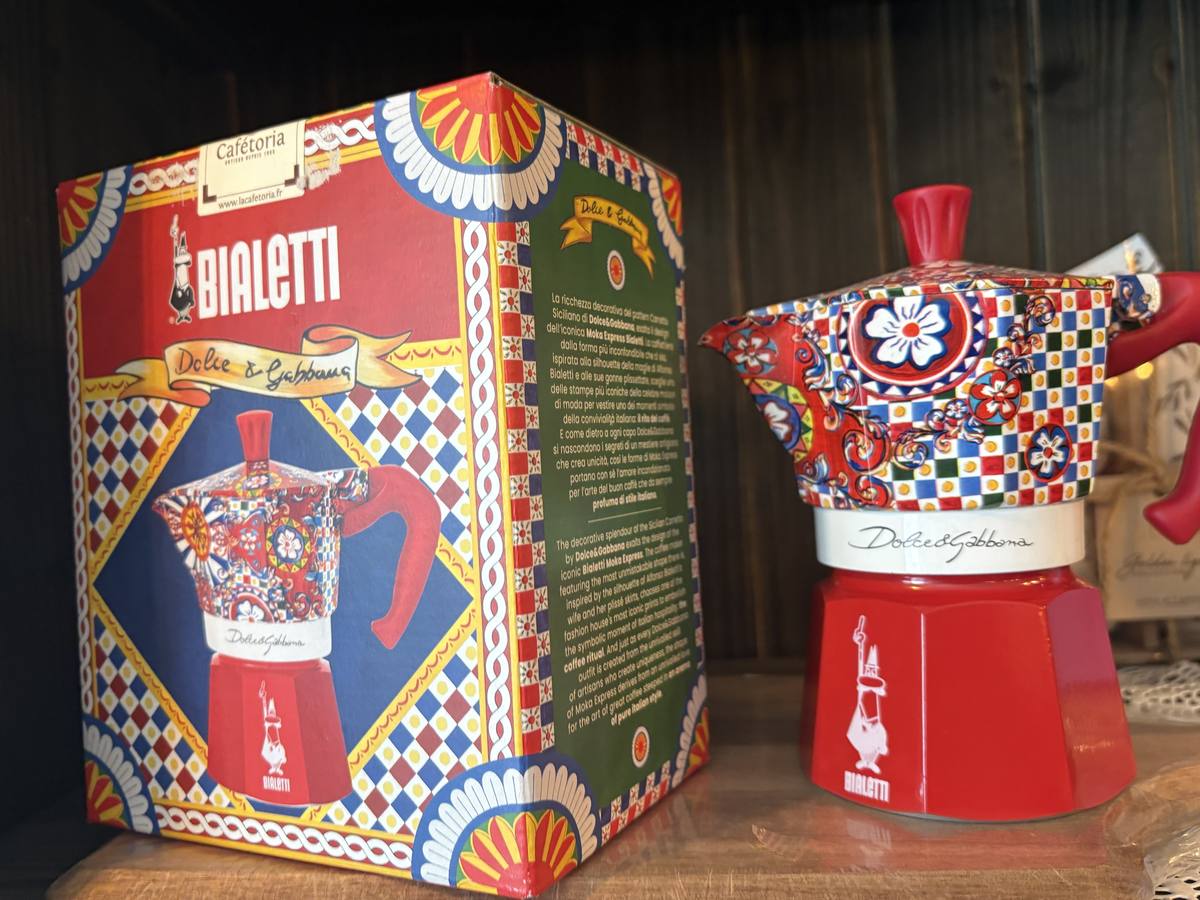
In a small shop on Boulevard Jacquard in Calais, I found a Dolce & Gabbana Bialetti moka pot, dressed in bright Sicilian cart patterns. The octagonal Moka Express has been made since the 1930s, and its shape is so recognisable that it can wear almost any pattern and still read instantly. I love objects like that. A strong, simple form leaves room for people to make it their own, which is something I think about with public spaces too.
Caribbean, Christmas 2025
Barbados
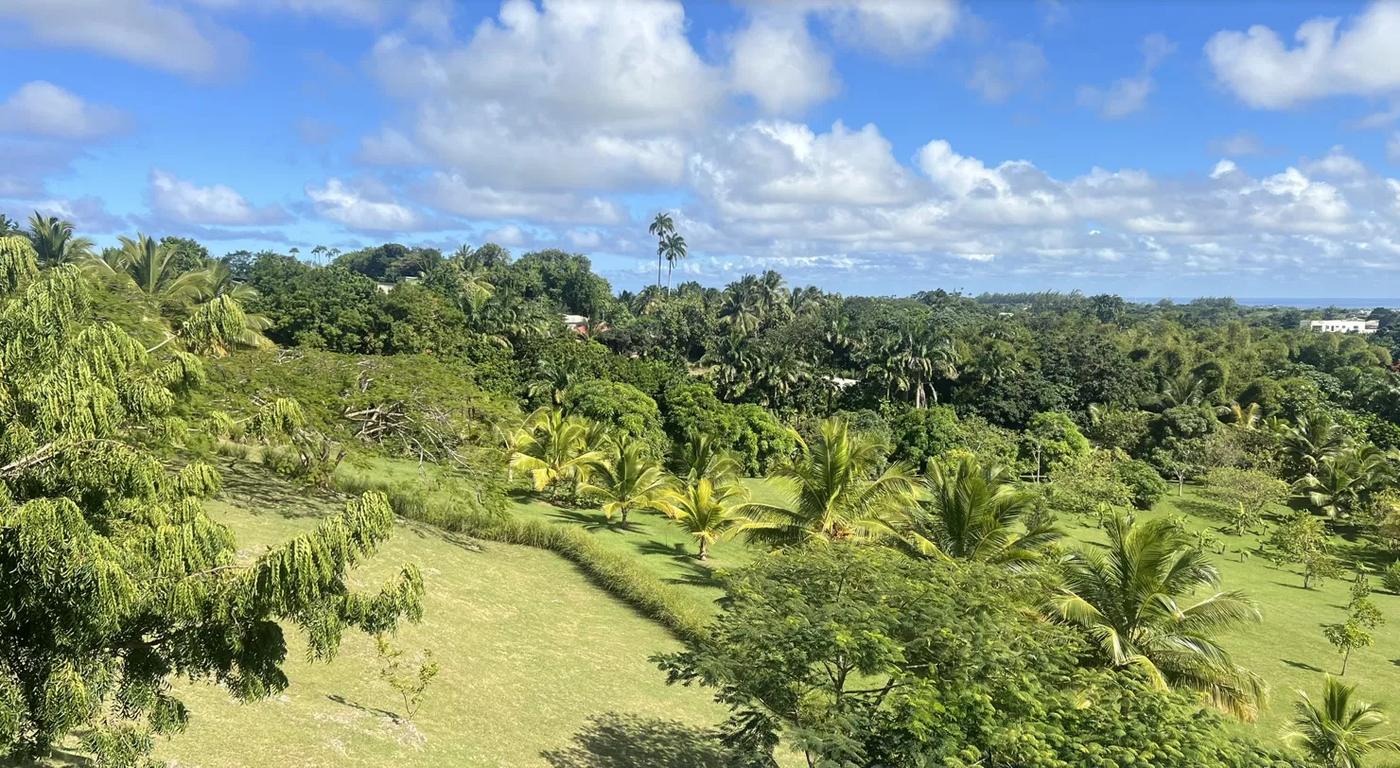
I spent Christmas in Barbados visiting family. Inland, everything is green: rolling lawns, clusters of palms and dense tropical trees running down to a thin blue line of sea on the horizon. Clouds move fast here, and the light changes every few minutes, catching the palm fronds and then letting them go again.
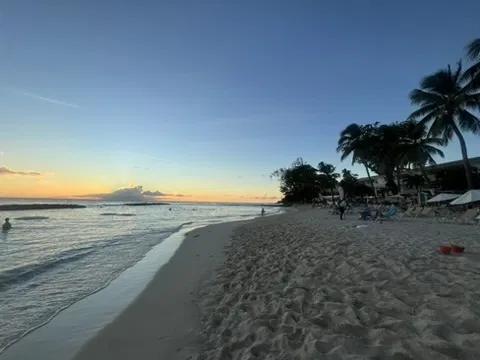
By evening the mood changes completely. The beach turns calm and golden, the palms become silhouettes, and people drift down to the water's edge for one last swim. Nobody organises it. There's no programme and no signage, just a shared sense that sunset is worth stopping for. It's one of the simplest examples I know of a place bringing people together by giving them something to share, and the image I come back to when I think about what good public space feels like.
Scotland, Winter 2026
Edinburgh
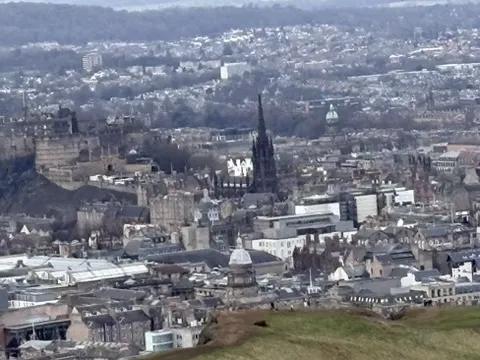
Edinburgh is a city you read from above. From the top of Arthur's Seat, the Old Town tumbles down its ridge in sandstone and slate, spires breaking the roofline, the castle rock dark at one edge and the Firth of Forth a pale silver strip beyond. The wind up there is relentless, and everyone ends up sheltering behind the same few rocks.
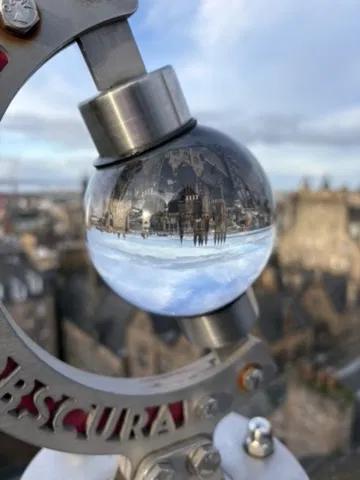
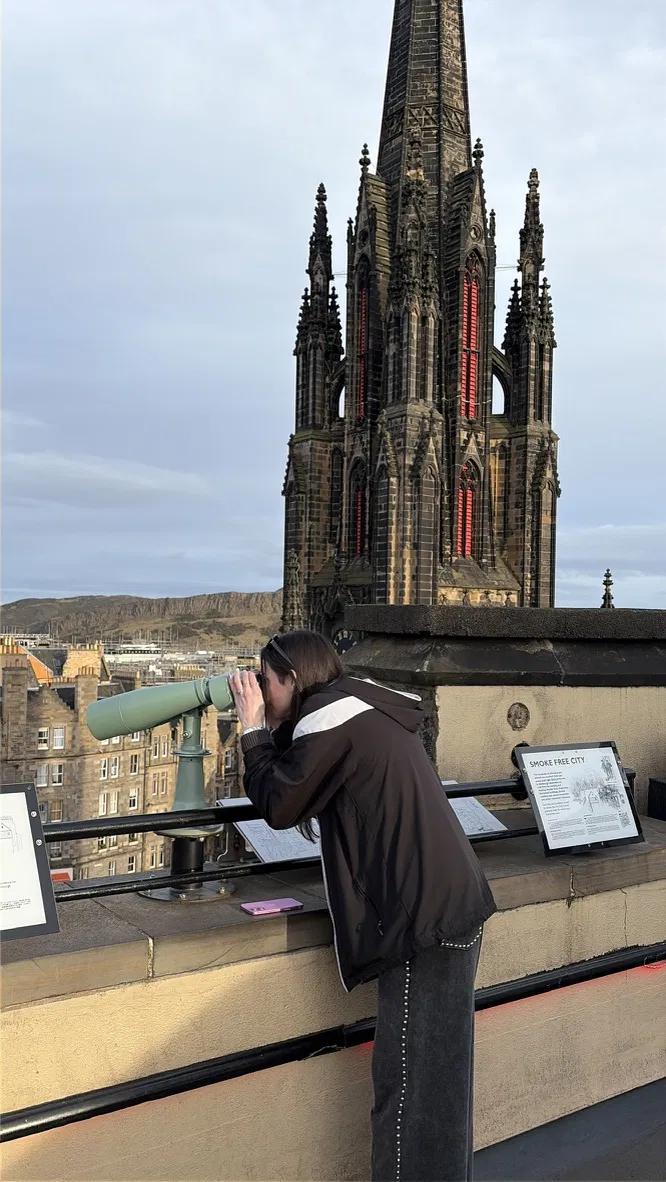
Back down on the Royal Mile, Camera Obscura & World of Illusions turned out to be a lesson in perspective, quite literally. On the rooftop terrace, a glass sphere flipped the skyline upside down and the viewing telescopes pulled distant streets close enough to people-watch. Standing beside a soot-dark Gothic spire, I loved how one small terrace turned a dense, vertical city into something you could take in all at once.
Bermuda, Late spring 2026
Bermuda
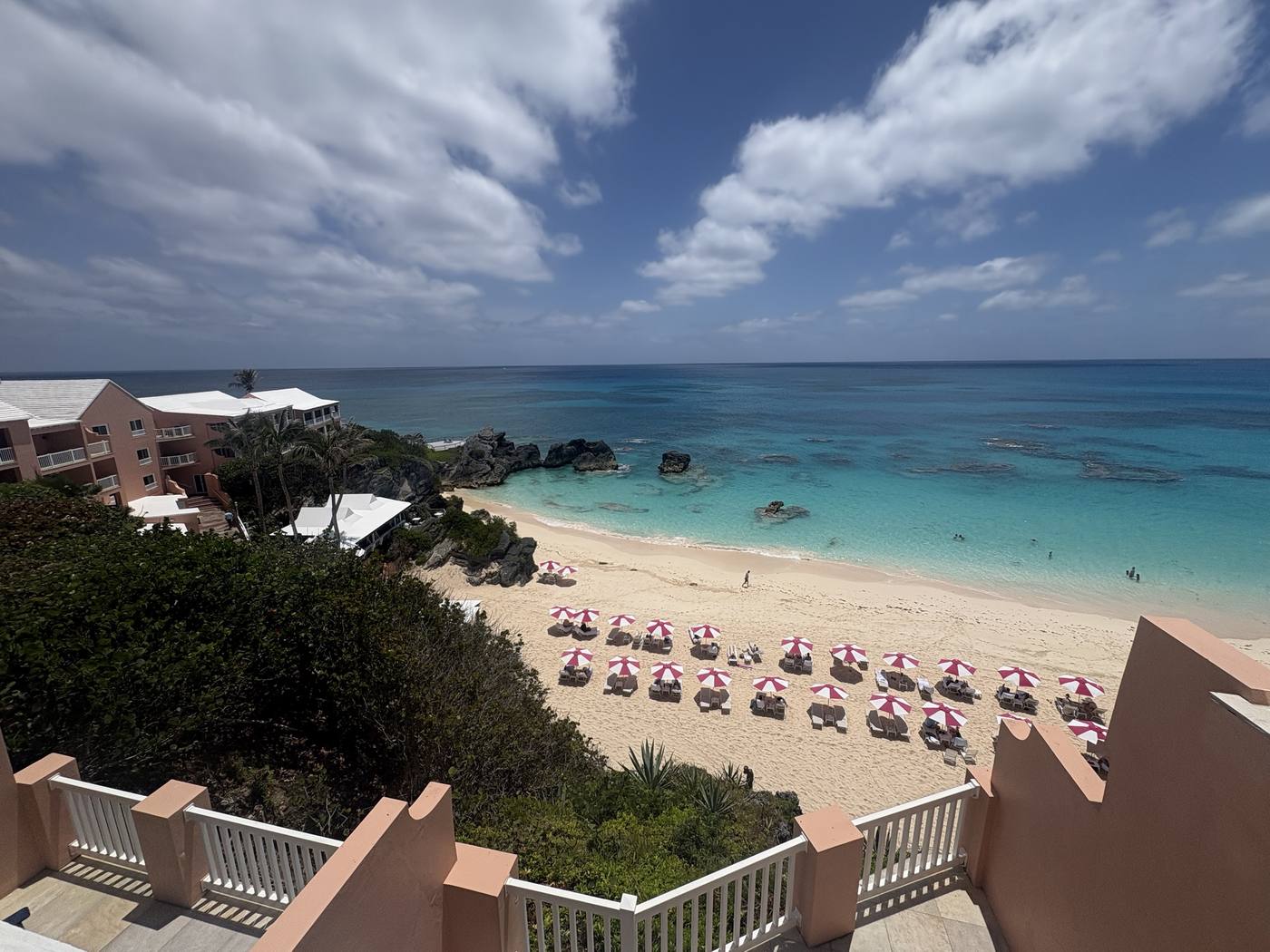
From the terrace at The Reefs hotel, the beach below was laid out in an almost perfect grid: neat rows of pink-and-white striped umbrellas, loungers paired beneath them, and a clear band of open sand left between the shade and the sea. The umbrellas set a rhythm, give each group its own patch and keep the shoreline free for walking.
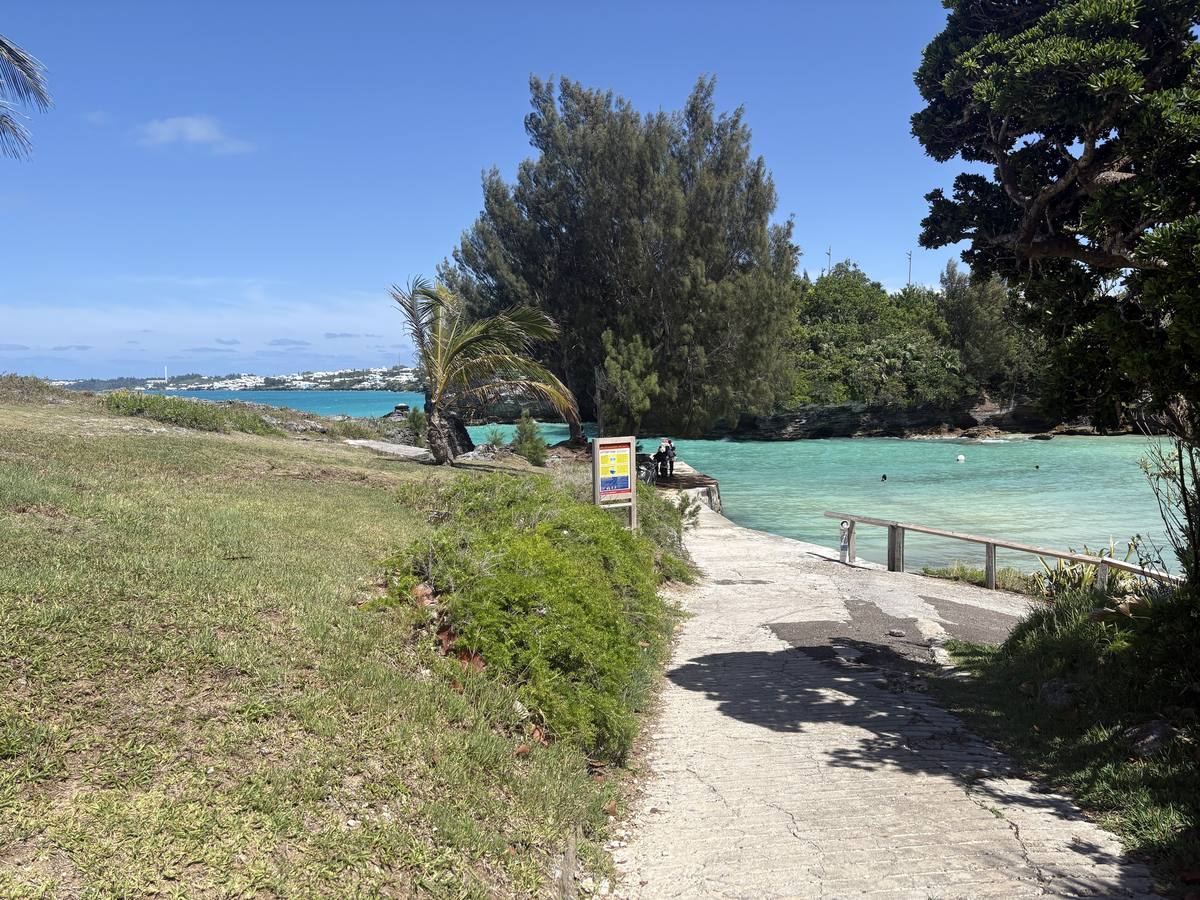
At Admiralty House Park, a simple concrete path and ramp lead straight down into Clarence Cove, sheltered and turquoise, with a handrail, a safety sign and a small dock for getting in and out. It's barely designed at all, but every piece is there to help people into the water safely. That kind of quiet infrastructure is what turns a beautiful view into a public space people actually use. It's walking distance from home, and it was the perfect place to celebrate my 27th birthday.
Field note: Bermuda
Why the sand is pink
Bermuda
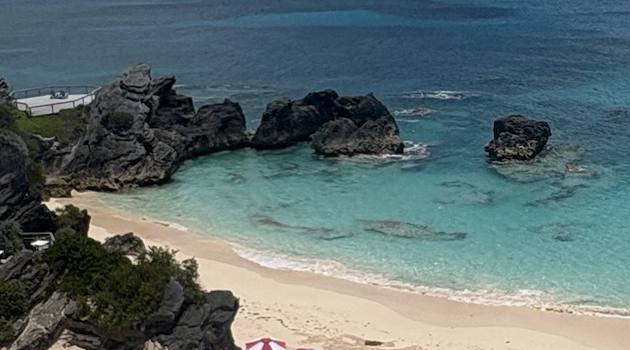
The pink in Bermuda's sand comes from something that was once alive. Tiny single-celled reef organisms called foraminifera build bright red shells, and when they die, waves break the shells up and wash the fragments ashore, where they mix with white grains of coral and shell. Look closely at a handful and you can see the red flecks.
The island itself is built of limestone sitting on top of a long-extinct volcano, and the dark rocks around the beaches are that same limestone, weathered grey and black by the sea. It made me look at the coral-pink buildings differently too, as if the whole place takes its palette from the ground it stands on.
- Pink from
- Foraminifera, tiny red reef organisms
- White from
- Fragments of coral and shell
- Rocks
- Limestone, built up over an ancient volcano
Spain, Early summer 2026
Mallorca
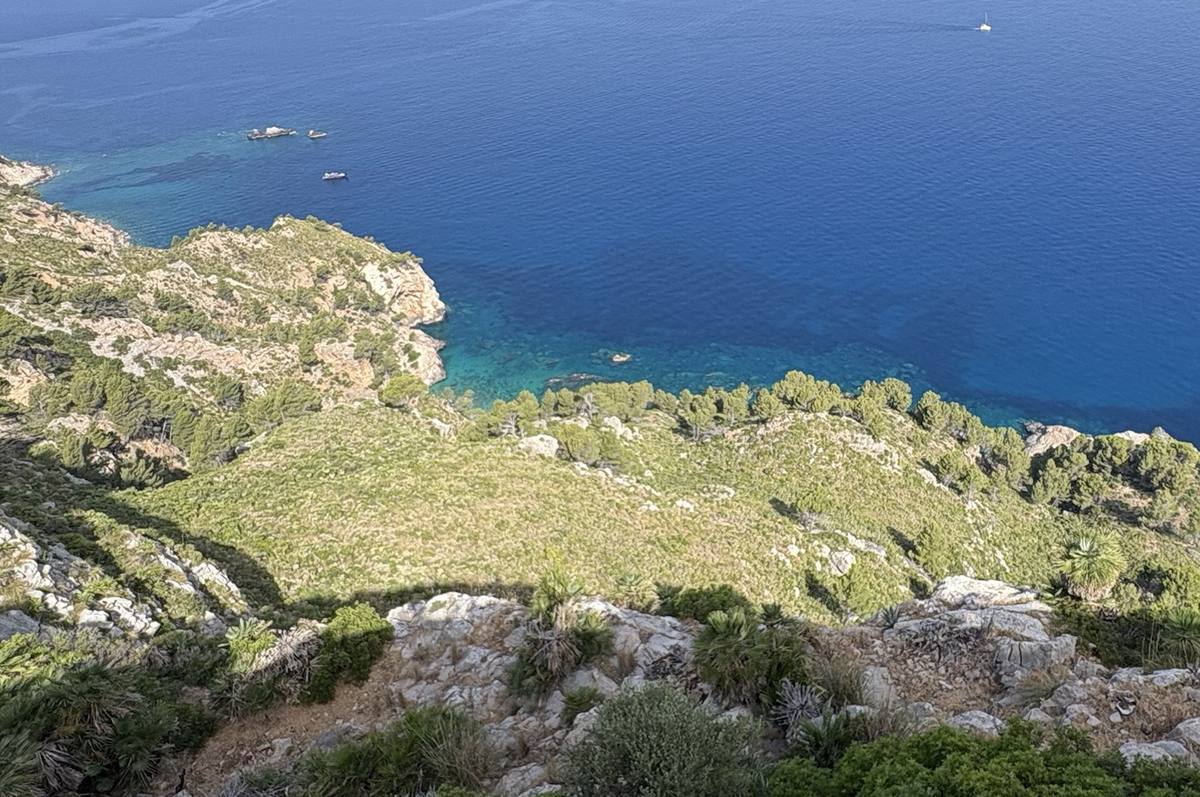
A viewpoint high on a headland, where the ground drops away through low pines, pale rock and spiky agave to the sea far below. The water shifts from bright turquoise in the shallow coves to a deep, inky navy further out, and the light up here is clear and hard, warm with the smell of scrub in the sun.
From the edge, the boats anchored in the bay look like scattered grains of rice. I'm drawn to lookouts like this because they're so simple: a ledge, a railing, a place to stand. The landscape does everything else. Some of the most memorable public spaces I've visited are barely designed at all. They just give people a reason to stop, lean on something and look.
Field note: Stonehenge
Stones that travelled
Wiltshire, England, Summer 2026
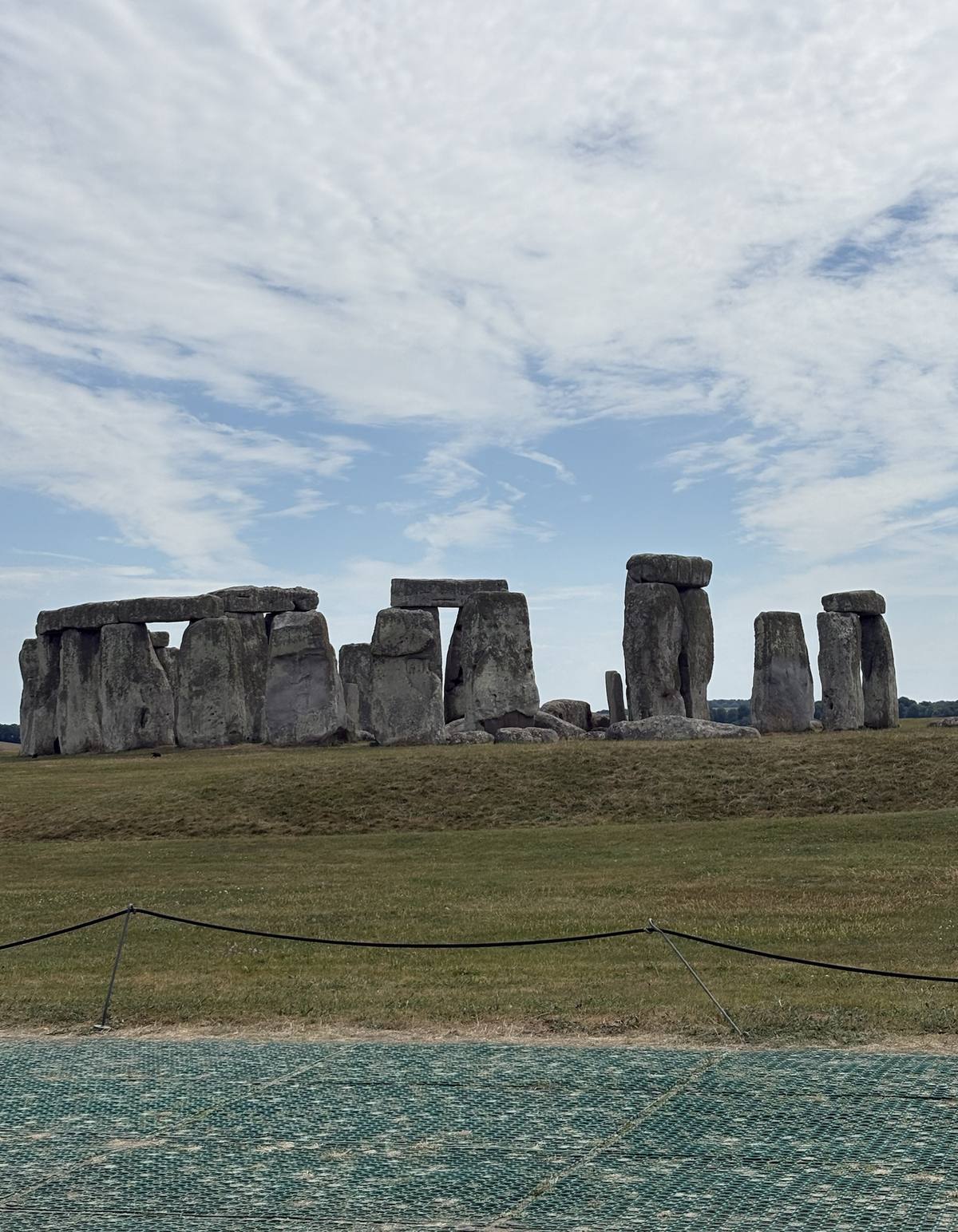
Stonehenge felt smaller and more human than I expected, and far more interesting once I knew where the stones came from. The big sarsens are a hard sandstone thought to come from around 25 km to the north. The smaller bluestones were brought all the way from the Preseli Hills in west Wales, and in 2024 researchers traced the Altar Stone, at the centre, to north-east Scotland.
What struck me just as much was how the site is managed today. A rope line holds visitors back, and a green mesh laid over the grass protects the ground from thousands of feet. It means you see the stones as one composition against the sky, which is a design decision in its own right.
- Sarsens
- Silcrete sandstone, from about 25 km away
- Bluestones
- From the Preseli Hills, west Wales
- Altar Stone
- Sandstone, from north-east Scotland
France, Summer 2026
Paris
A visit to Cédric et la Chocolaterie, a chocolate shop that felt closer to a gallery than a shop. Rows of little chocolate bears in milk, dark and white sat in their boxes like a tiny, very serious audience, each one wearing the same wide-eyed expression. The air smelled of cocoa from the moment the door opened.
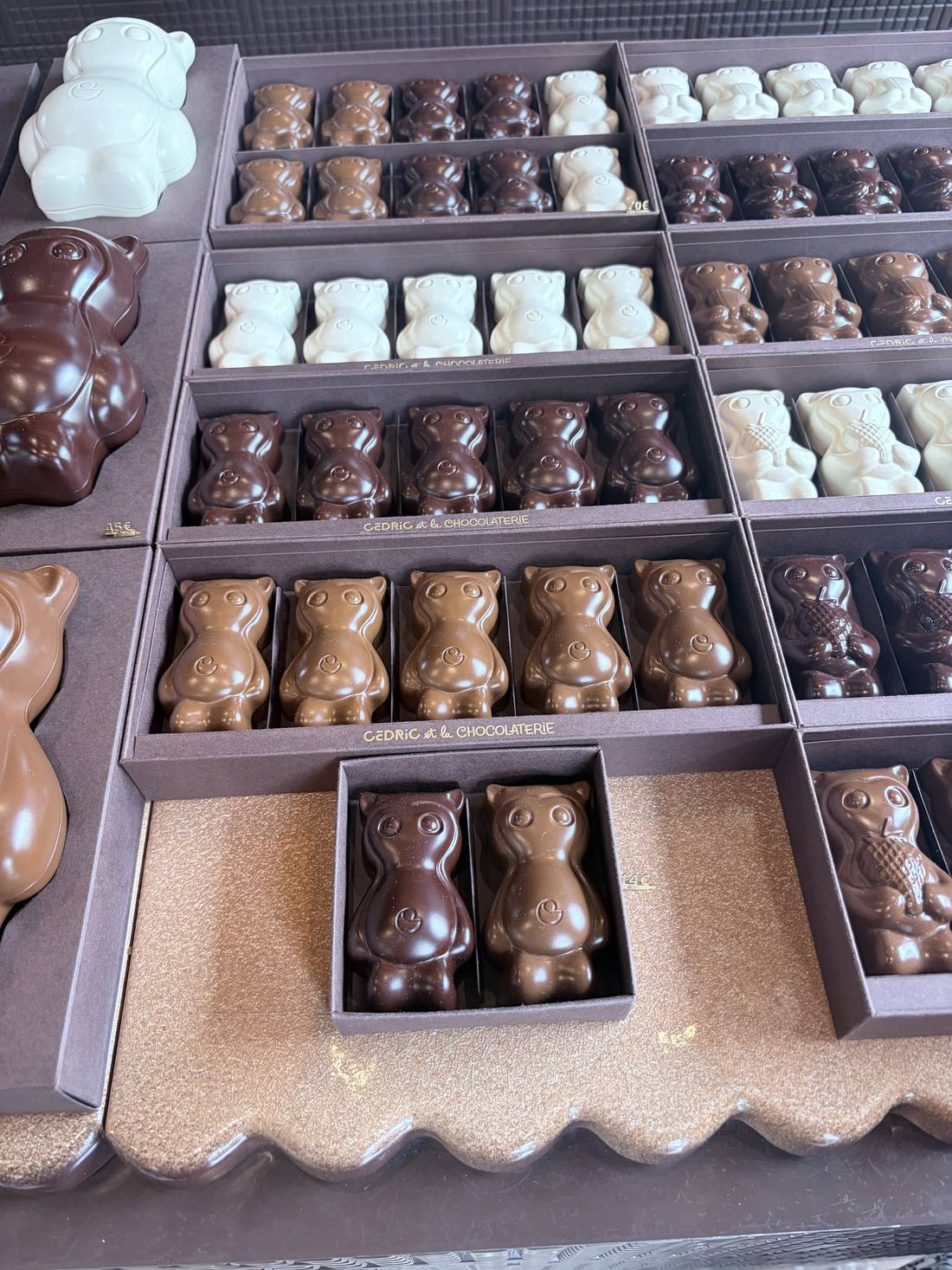
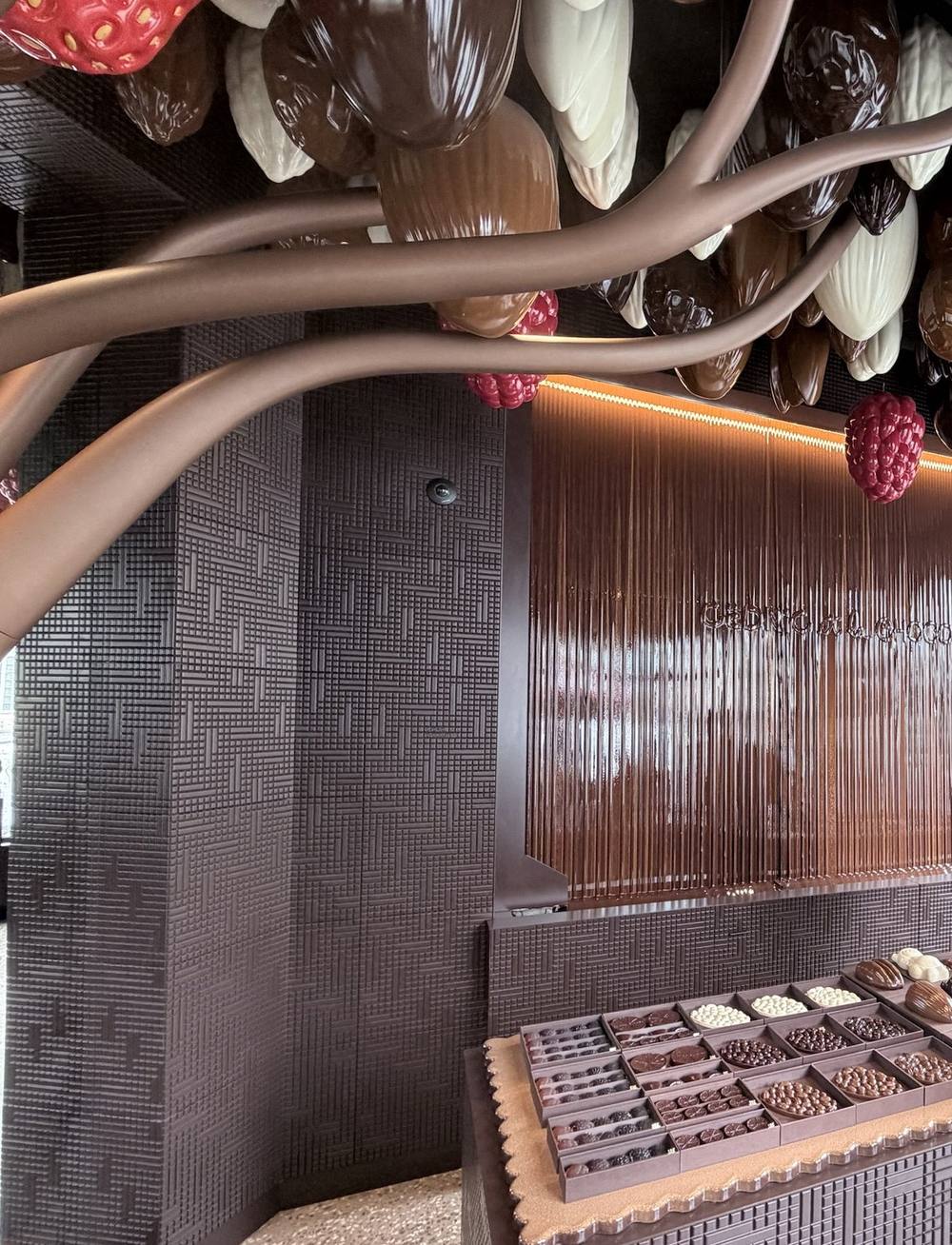
Look up and the whole interior is built around the product. A sculpted tree stretches across the ceiling, hung with giant cocoa pods and berries, the walls are tiled in a deep brown grid like a bar of chocolate, and the counter edge ripples in glossy scallops. Nothing felt accidental. It showed me how material, light and display can turn an everyday purchase into an occasion.
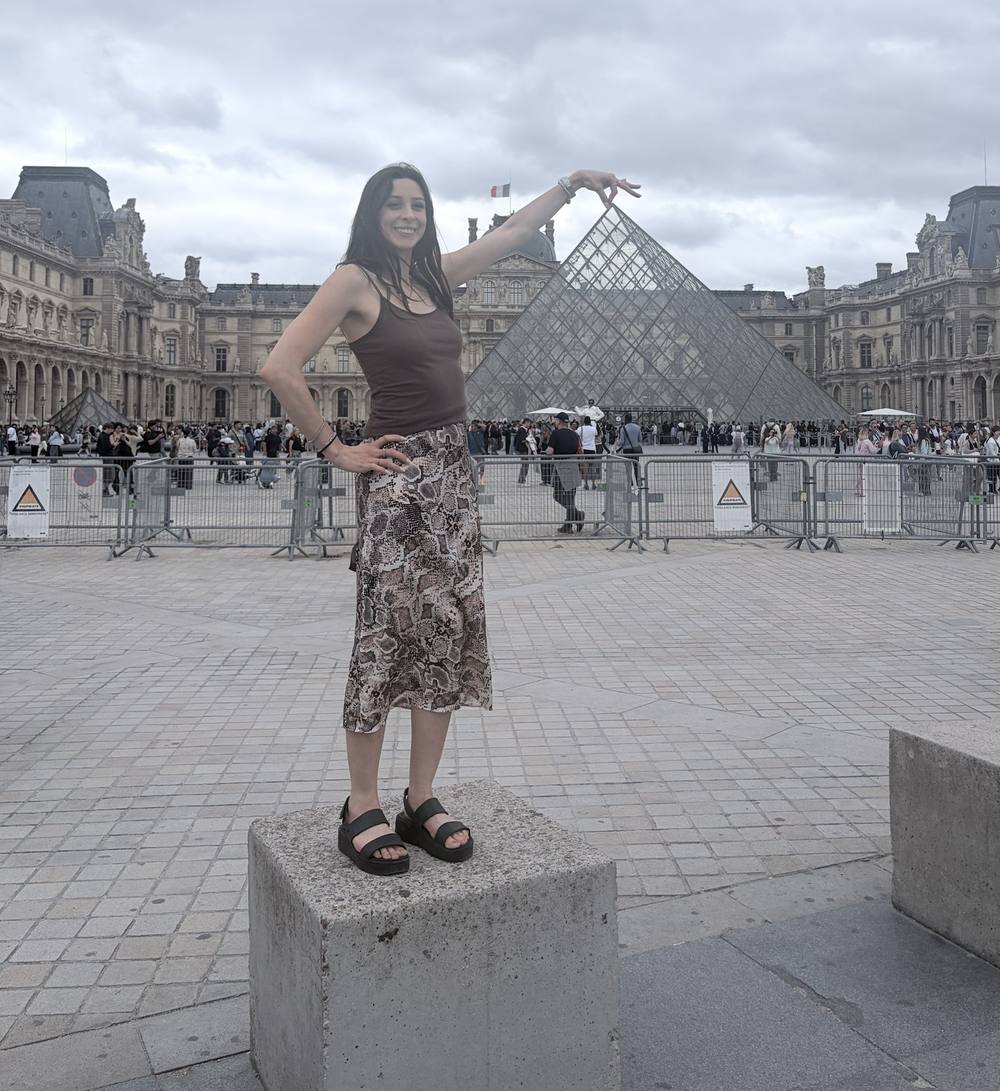
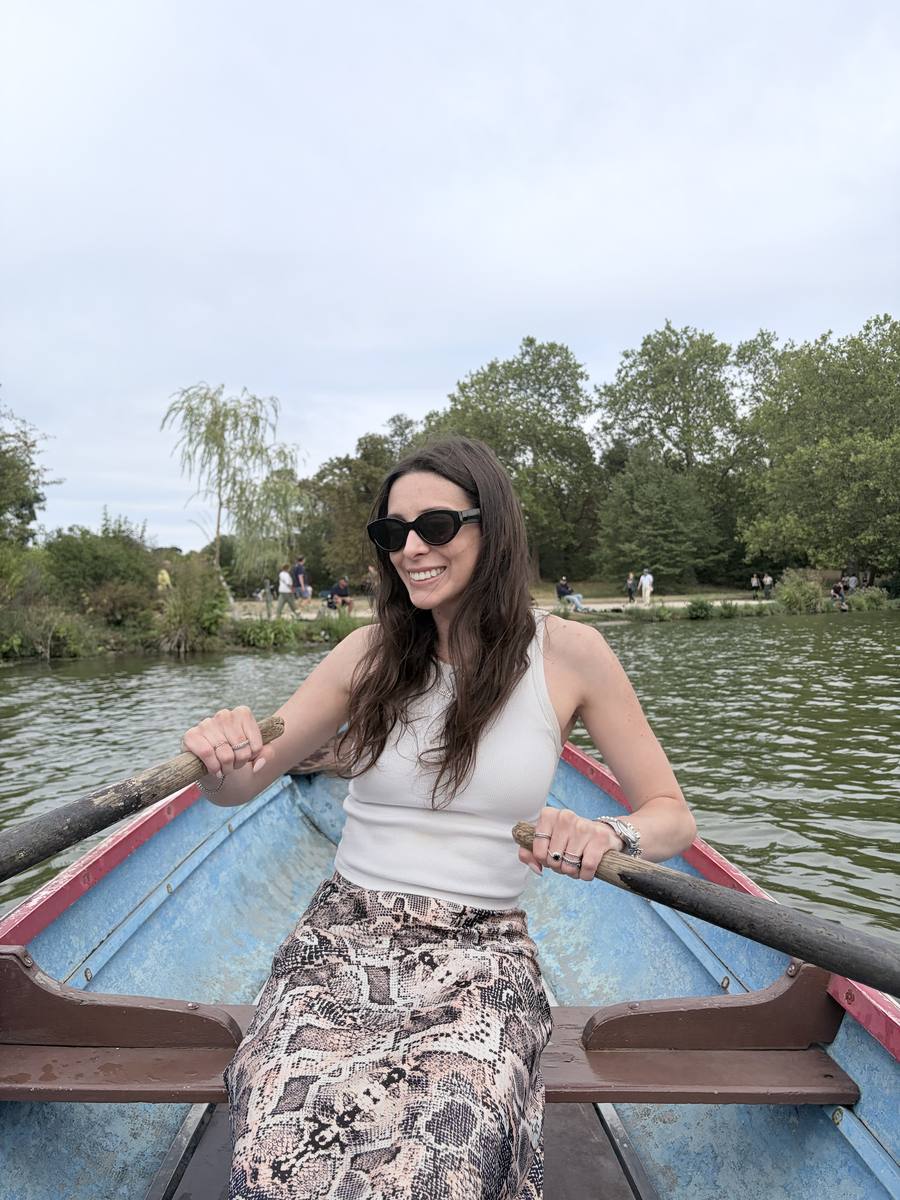
Outside, Paris does big set pieces. At the Louvre, I. M. Pei's glass pyramid sits in the middle of the heavy stone courtyard, light and almost weightless against the old façades, and the contrast makes both feel stronger. Then, for something slower, a rowing boat on a lake in the Bois de Vincennes, with half the city sitting out along the banks.
Peak District, England, Late summer 2026
Moorland walk
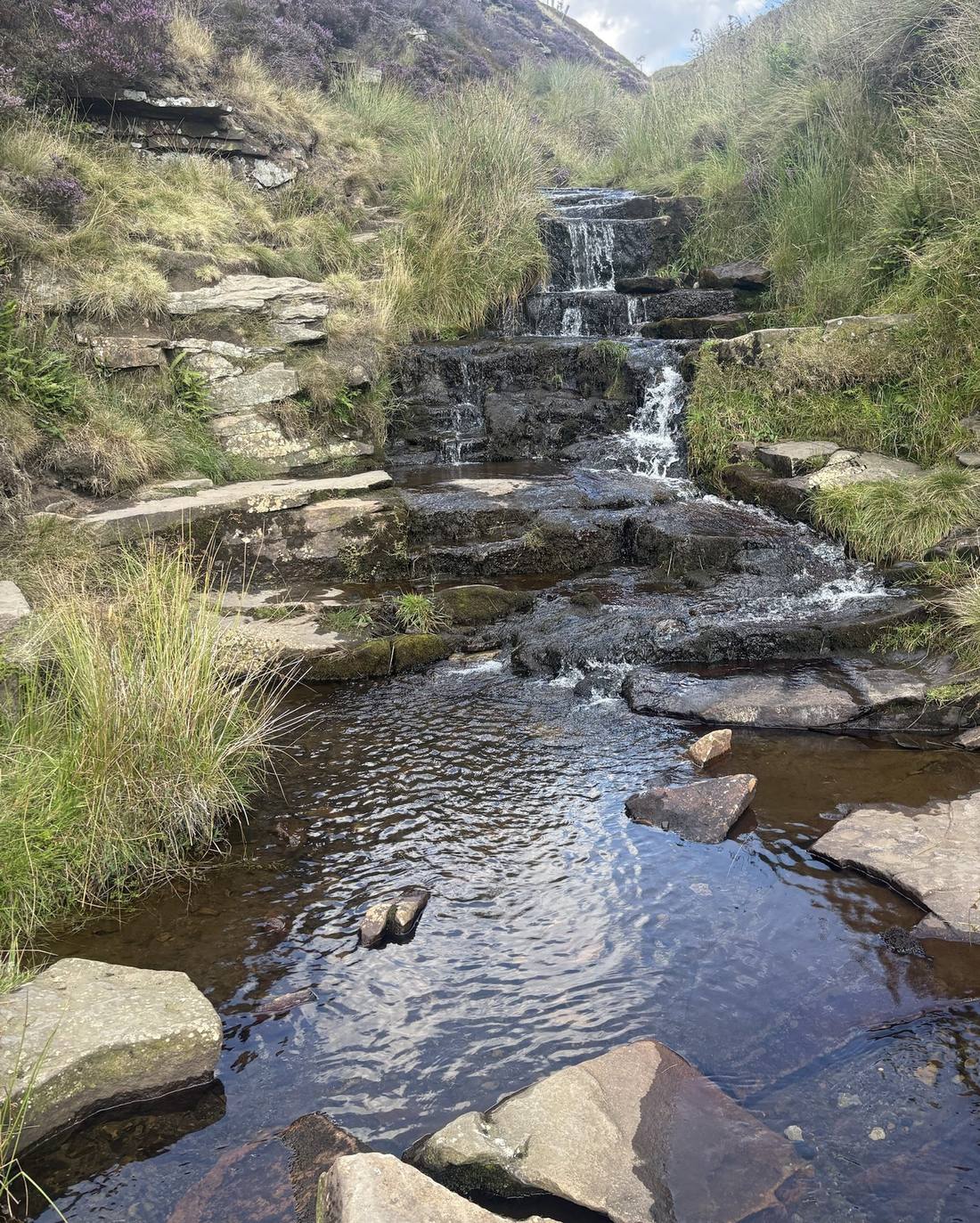
Heather in full bloom turns whole hillsides purple, and this walk followed a small stream that had cut its own staircase through the rock. Peaty, tea-coloured water slid over flat stone ledges, and the only sounds were the water and the wind moving through the long grass.
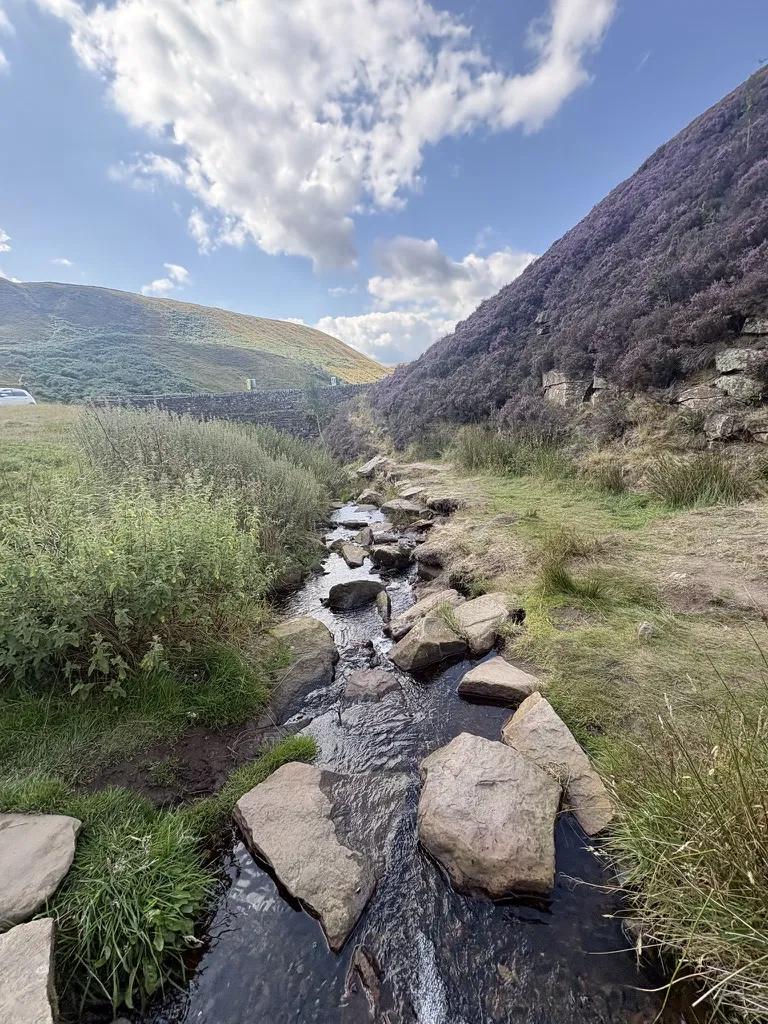
What struck me was how readable the landscape was. A dry-stone wall drew a line across the valley, a worn track showed exactly where people before me had chosen to walk, and a scatter of flat stones did the job of a bridge without anyone designing one. They're a reminder that the best routes are often found rather than drawn, and that people will show you where a path should go if you watch long enough.
What travelling taught me about places
I trained to look at buildings and landscapes, but travelling slowly taught me to watch the people in them. A few patterns came up again and again, from Edinburgh's rooftops to an empty dune.
People gather at edges
Viewpoints, shorelines, terraces and thresholds pull people in. Give someone a ledge to lean on and something to look at, and they'll stay a while. The edge is often the most valuable part of a public space.
Paths tell the truth
A worn track across a hillside shows how people actually want to move. Good design follows those desire lines rather than fighting them, whether it's a moorland walk or a shortcut across a city park.
Small cues organise space
A row of umbrellas or a single glass case can shape how a whole space is used, without a single sign. Rhythm, shade and materials quietly tell people where to go and how to behave.
Openness is a choice
The places that felt most free were often the most carefully looked after. Leaving room for people to gather in their own way is a design decision, and a long-term commitment to care.
These are the questions I want to bring to whatever I do next: who a place is for, how people really use it, and what makes them feel it's theirs.
Now
Back in London, I've been volunteering with Energy Garden on community green space. It has brought everything on this page down to street level: the same questions about who feels welcome in a space, how people use it day to day, and what makes them come back.
I'm now looking for my next role, somewhere I can put this way of seeing places to work, with the people who use them at the heart of it.
Connect on LinkedIn